
WooCommerce is powerful but it is overkill for most WordPress sites. Here is what it actually costs you and what to use instead.
WooCommerce is the most installed e-commerce plugin in the world. It powers millions of online stores and for large, complex shops it is genuinely the right tool. But I see it installed constantly on sites that have no business using it — and it is costing those sites in ways most people never notice.
If you are selling one digital product, taking bookings for a service, or running a membership site, there is a good chance WooCommerce is making your life harder and your site slower for no good reason.
What WooCommerce Actually Installs
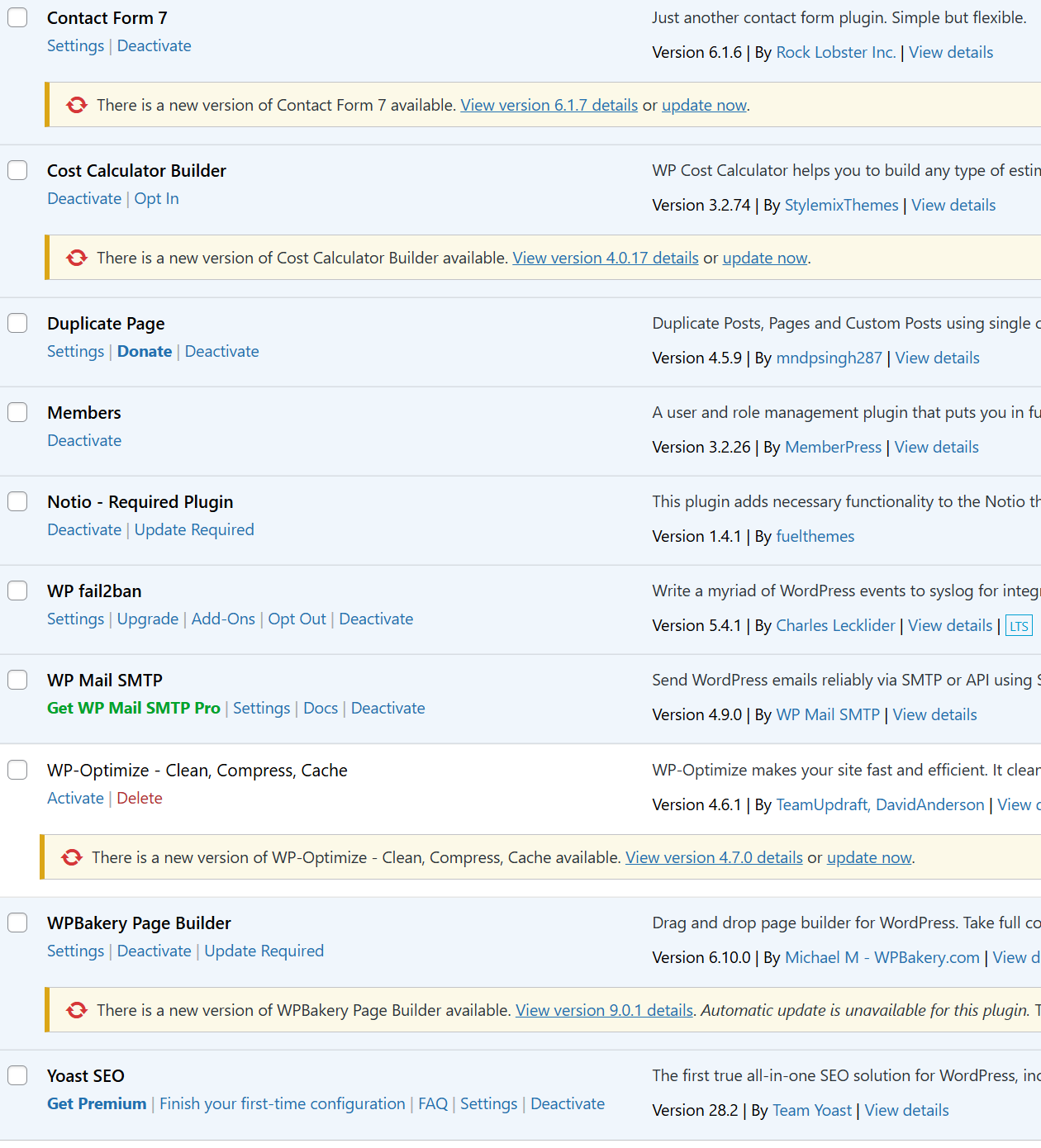
Most people think of WooCommerce as a single plugin. It is not. A standard WooCommerce installation creates over a dozen database tables, registers hundreds of hooks, and loads its own JavaScript and CSS on every page of your site — not just the shop pages.
Then come the extensions. Payment gateways. Shipping calculators. Product variations. Subscription handling. Each one is its own plugin, its own database overhead, its own potential for conflicts. A WooCommerce store with a handful of extensions is already a significantly heavier WordPress installation than it needs to be.
For a large shop with hundreds of products, variable pricing, complex shipping rules and multiple payment options, that weight is justified. For a consultant selling a single PDF or a photographer taking booking enquiries, it is not.
What It Does to Your Performance
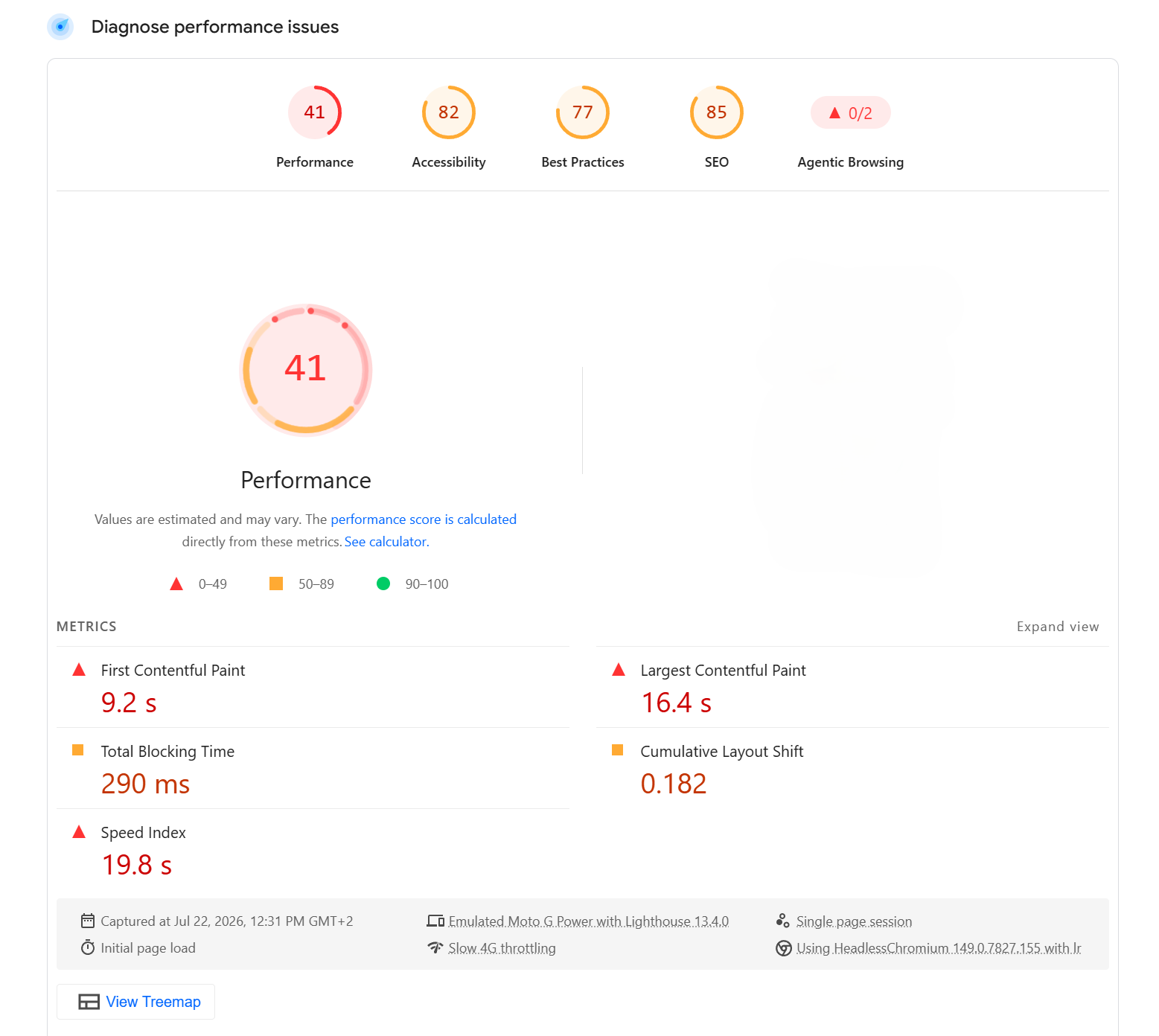
WooCommerce loads assets on every page. Your homepage. Your about page. Your blog posts. Pages that have nothing to do with your shop are still carrying the overhead of a full e-commerce platform.
This shows up directly in your PageSpeed score. Sites running WooCommerce for simple use cases consistently underperform on Core Web Vitals compared to what the same site could achieve with a purpose-built lightweight solution. The JavaScript alone adds hundreds of kilobytes to pages that do not need it.
Google measures your whole site, not just your shop pages. A slow homepage costs you in search rankings whether the cause is your shop plugin or anything else.
What to Use Instead
The right tool depends on what you are actually selling.
Digital products: Easy Digital Downloads is purpose-built for selling files, licenses and software. It is a fraction of the size of WooCommerce, installs almost nothing by comparison, and handles digital delivery, license keys and customer management cleanly. For a single product or a small catalogue of digital downloads, it will outperform WooCommerce in every measurable way.
Services and bookings: If you are taking enquiries or appointments, you do not need a shop at all. A simple contact form connected to a calendar tool, or a dedicated booking plugin like Amelia or Simply Schedule Appointments, is far simpler to set up and maintain than a WooCommerce installation configured to pretend it is a booking system.
Memberships: WooCommerce Memberships exists, but so do Memberpress and Restrict Content Pro — plugins built specifically for membership sites that do not carry the e-commerce overhead you do not need.
A single product or simple checkout: Stripe has a hosted checkout that takes minutes to set up. You embed a link or a button, the customer pays, done. No plugin required. No database tables. No performance hit.
When WooCommerce Is the Right Choice
This is not an argument against WooCommerce. For a shop with a real product catalogue, variable pricing, inventory management, complex shipping and multiple payment methods, WooCommerce is the right tool. It is mature, well supported, and has an ecosystem of extensions that covers almost any requirement.
The problem is not WooCommerce itself. The problem is reaching for it by default because it is the name everyone knows, without asking whether the project actually needs everything it brings with it.
The best tool is the one that does exactly what you need and nothing more. For most WordPress sites with simple selling requirements, that tool is not WooCommerce.
Share this article