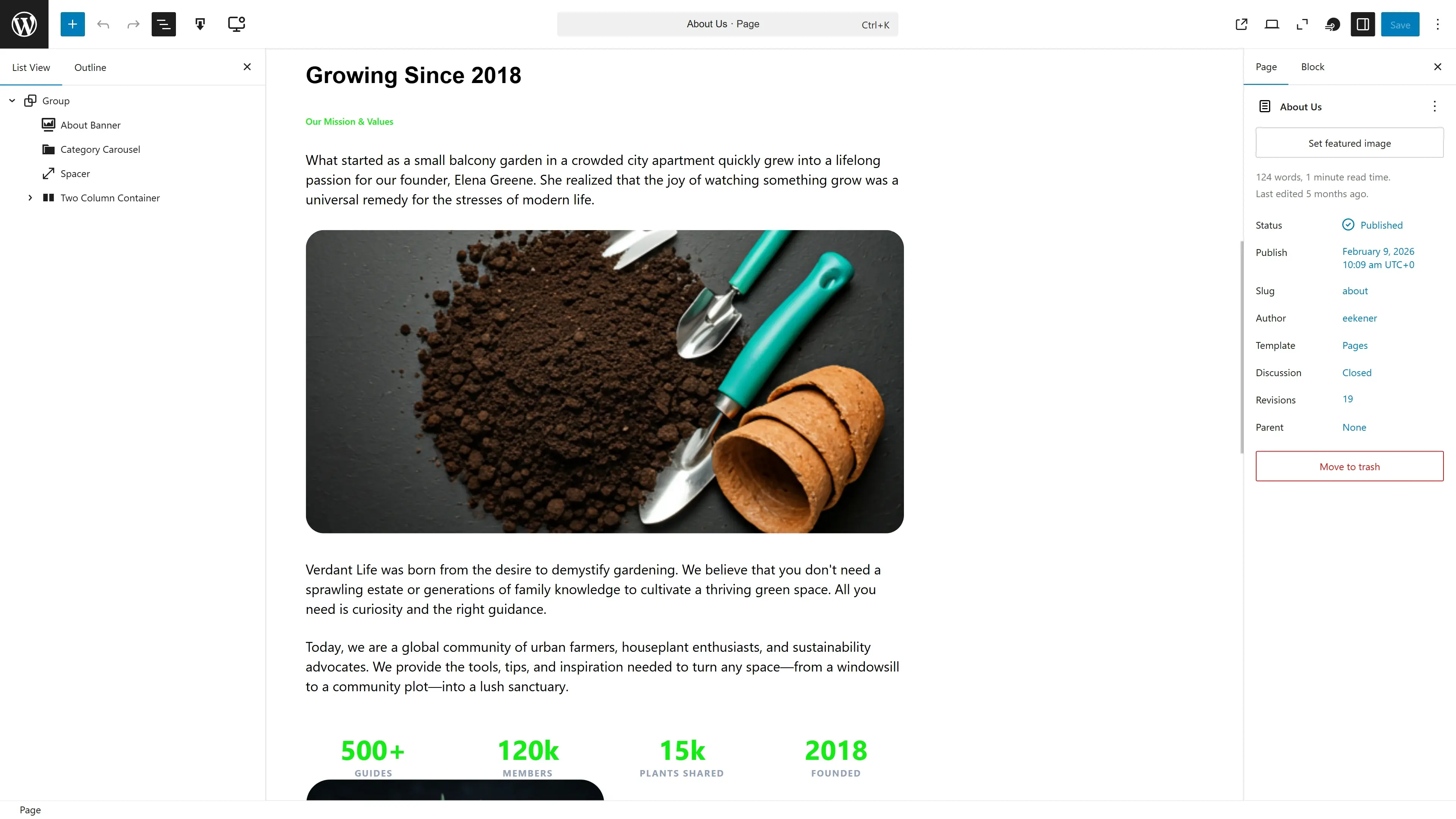
Page builders like Elementor and Divi were my default for years. Here's why I switched to Gutenberg — and why I won't go back.
For years, page builders were my default. Elementor, Divi, WPBakery — they got clients up and running fast, looked decent out of the box, and required minimal convincing. I used them on project after project without questioning it much.
Then I switched to Gutenberg. And I haven't looked back.
This isn't a post saying page builders are evil. They served a real purpose at a real time. But in 2026, building on a page builder is a choice with real costs — and most people making that choice don't fully understand them.
What Page Builders Promised
Page builders arrived when WordPress's default editor was genuinely painful. The classic editor gave you a plain text box and not much else. Elementor, Divi, and others filled a real gap — drag and drop visual editing, pre-built sections, live preview. For non-developers especially, it felt like magic.
And for a while, it was good enough.
The Hidden Costs Nobody Talks About
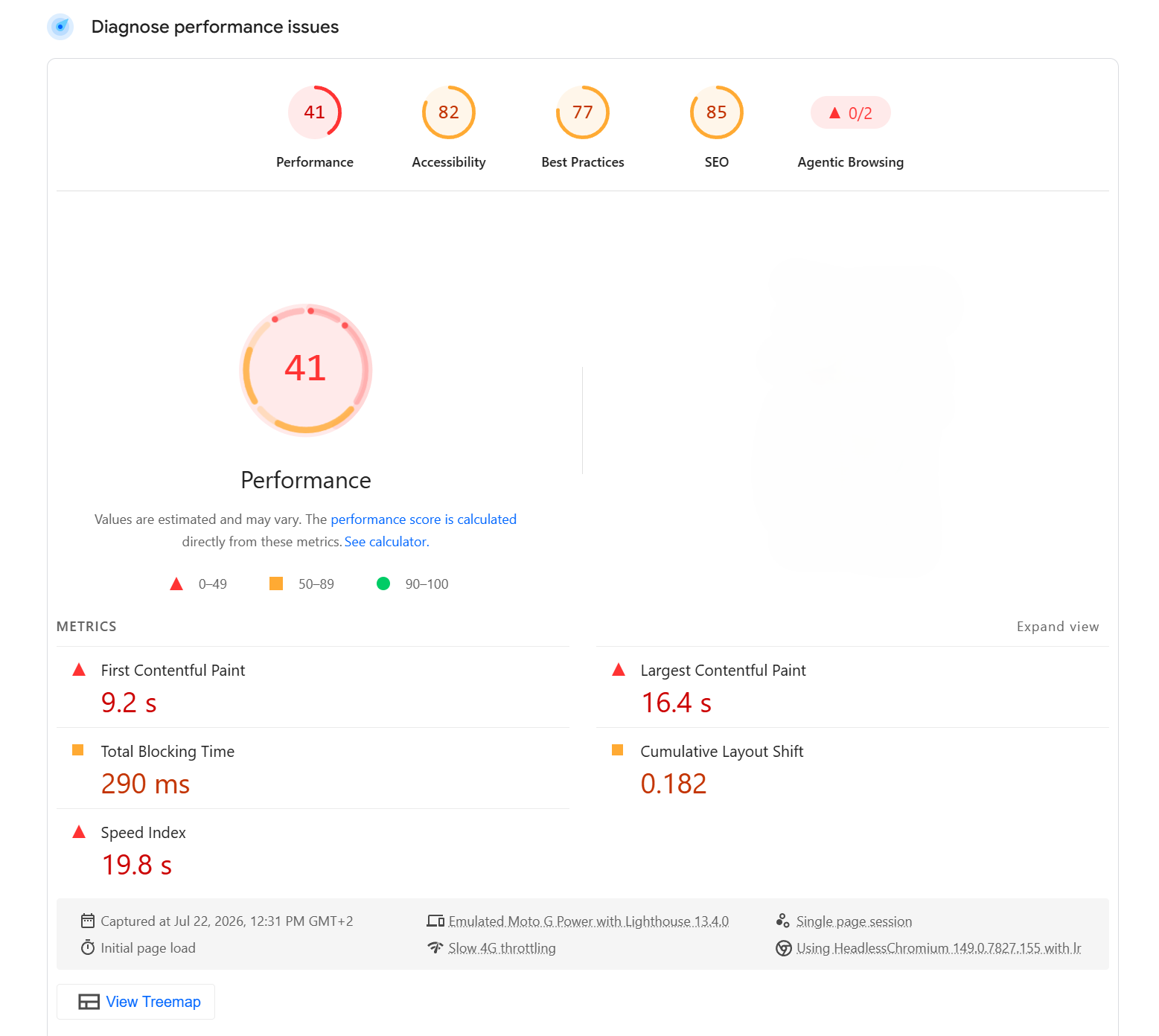
The problems don't show up on day one. They show up six months later when your PageSpeed score is 43, your editor is loading slowly, and a plugin update just broke three sections of your homepage.
Performance bloat is the most obvious issue. Page builders load their entire asset library on every page regardless of what you're actually using. Elementor alone can add hundreds of kilobytes of CSS and JavaScript to a page that needs almost none of it. That directly hurts Core Web Vitals — and Core Web Vitals directly affect your Google rankings.
Vendor lock-in is the one that really stings. Every page you build in Elementor is stored as Elementor shortcodes and proprietary markup in your database. The day you decide to switch — whether because the plugin gets abandoned, pricing changes, or you just want something cleaner — you're looking at rebuilding every page from scratch. Your content is hostage to a third-party plugin.
Update fragility is the quiet killer. Page builders are complex pieces of software with thousands of moving parts. Every WordPress core update, every PHP version bump, every plugin update is a potential conflict. I've seen entire homepages go blank after a routine update. It's not a question of if — it's when.
What Gutenberg Actually Is Now
Most people's mental image of Gutenberg is the version that launched in 2018 — clunky, limited, frustrating. That product barely resembles what Gutenberg is today.
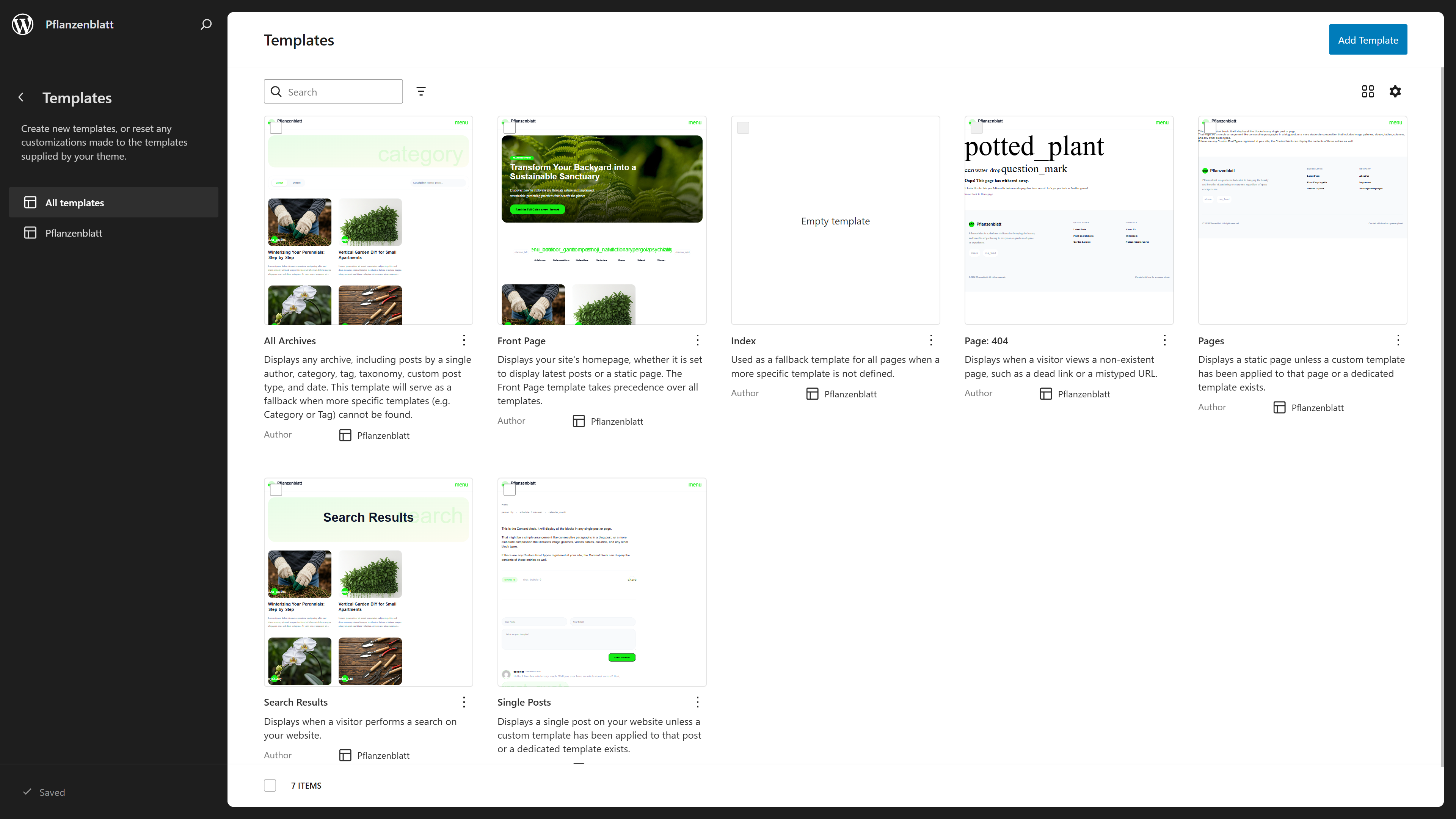
Full Site Editing, introduced in WordPress 5.9, extended Gutenberg beyond just post content to cover your entire site — headers, footers, templates, and global styles. Combined with theme.json for design tokens and a mature block API, Gutenberg is now a serious, capable building system baked directly into WordPress core.
No extra plugin required. No vendor. No lock-in.
Where Gutenberg Wins Clearly
Performance — blocks only load what they need. A page with a hero, some text, and a contact form loads exactly those assets. Nothing more.
Native WordPress — Gutenberg is WordPress. It gets updated with core, maintained by the same team, and will be around as long as WordPress is. That's a different kind of reliability than depending on a third-party plugin company.
Custom blocks — when you need something that doesn't exist, you build a custom block. It integrates seamlessly with the editor, looks and feels native, and your client can use it just like any other block. No hacks, no shortcodes, no workarounds.
Clean markup — the HTML output of a block-based site is lean and semantic. That matters for accessibility, SEO, and long-term maintainability.
When a Page Builder Might Still Make Sense
There are cases where a page builder is still a reasonable choice.
If you need a simple brochure site live in a day and the client will never touch the code again, a page builder gets the job done. If your client is already on Elementor with 200 pages of content and a working site, migrating is probably not worth the disruption.
But for any new build where performance, longevity, and clean code matter — and especially for clients who will be editing their own content — Gutenberg is the right choice in 2026.
The Bottom Line
Page builders were a workaround for a gap that no longer exists. Gutenberg has closed that gap — and then some.
Switching isn't about being purist. It's about building sites that perform better, last longer, and don't hold your client's content hostage to a plugin subscription.
If you're still defaulting to Elementor out of habit, it might be worth asking why.
Building a new WordPress site or migrating away from a page builder? Get in touch — this is exactly what I do.
Share this article